Exhibitions
Introvert’s Room, Batimat 2019
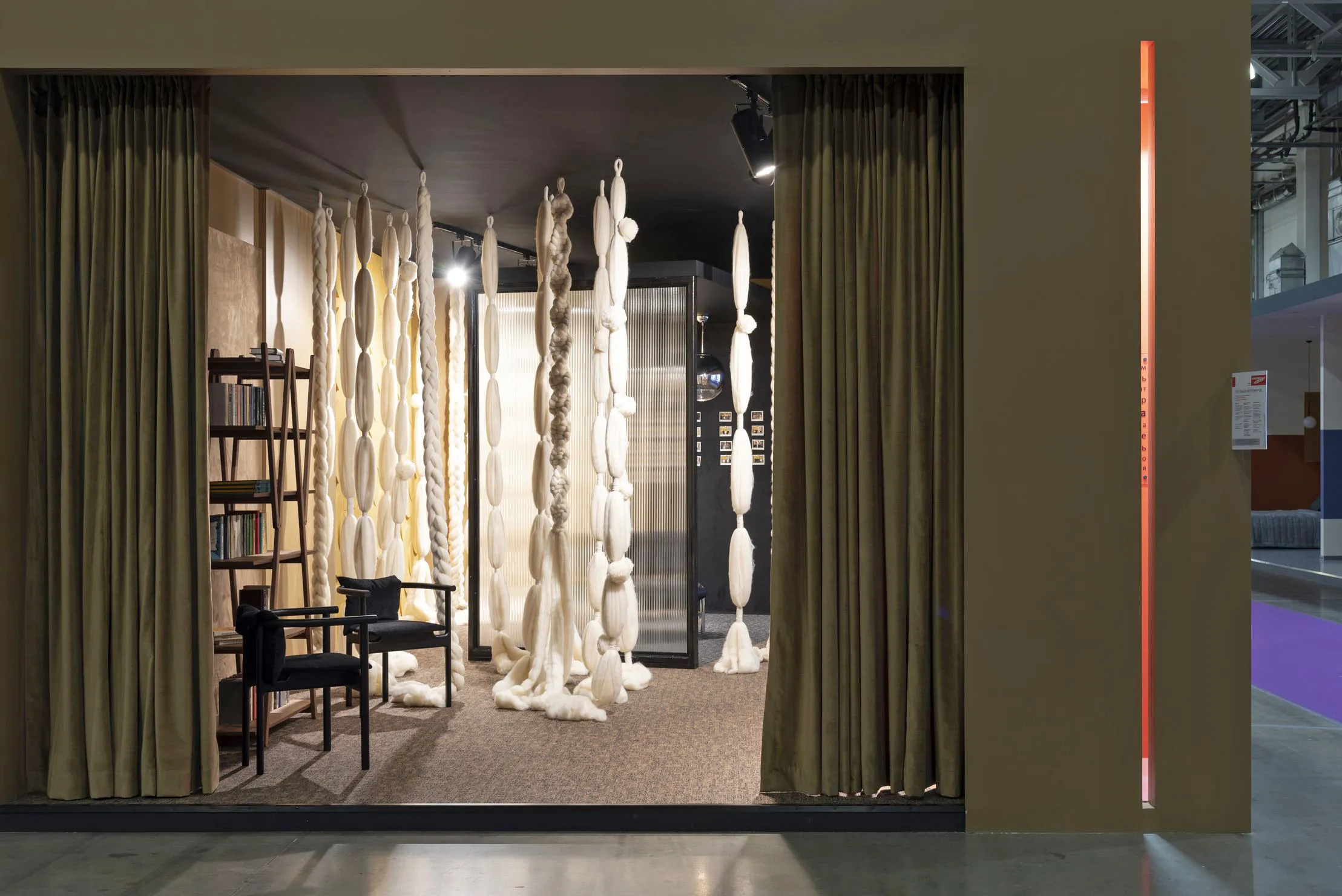
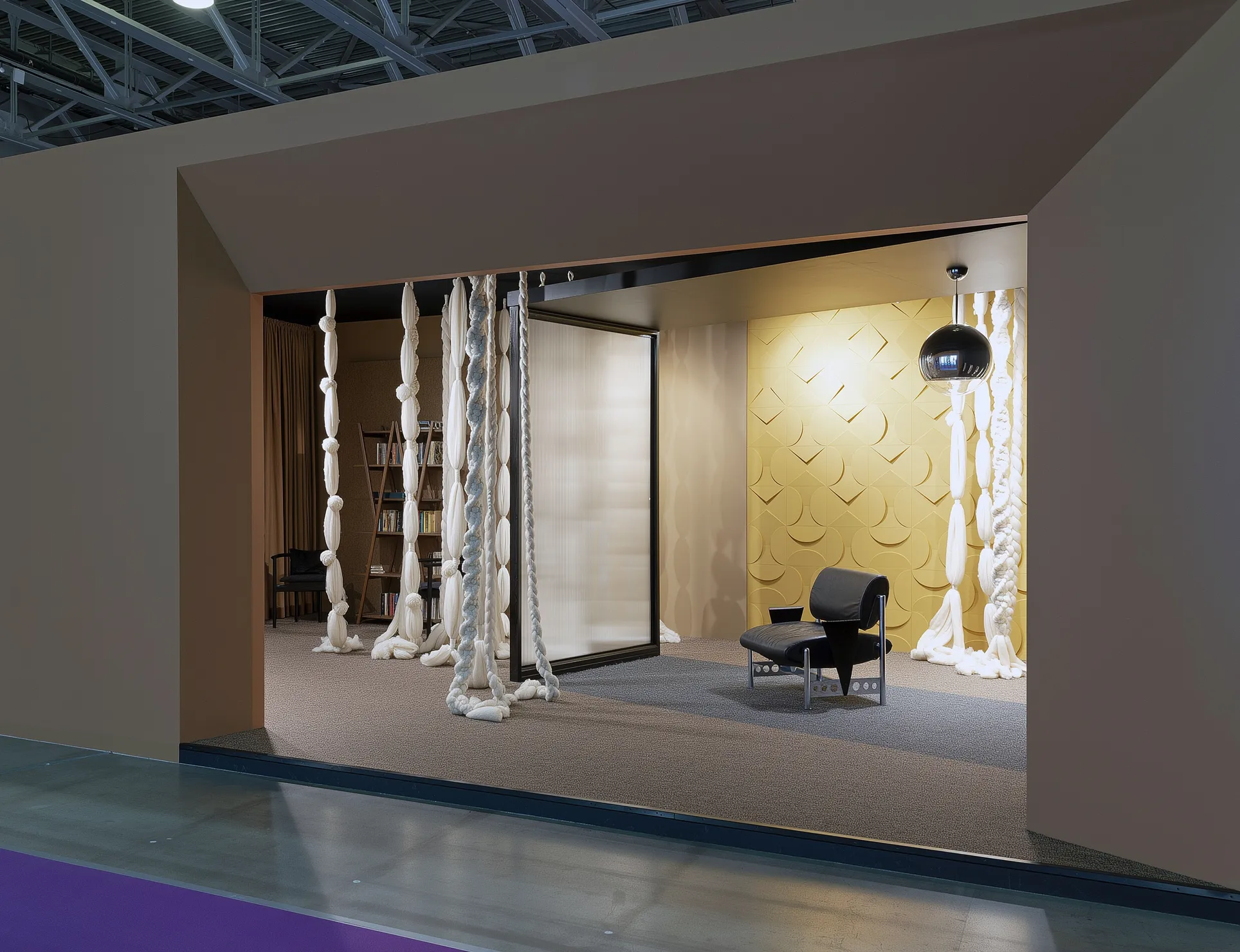
Introvert’s Room is an exhibition installation presented at Batimat 2019, exploring privacy, perception, and emotional balance within an interior. Conceived as an immersive environment, the project examines how space can guide a person from exposure toward retreat through a sequence of layered experiences.
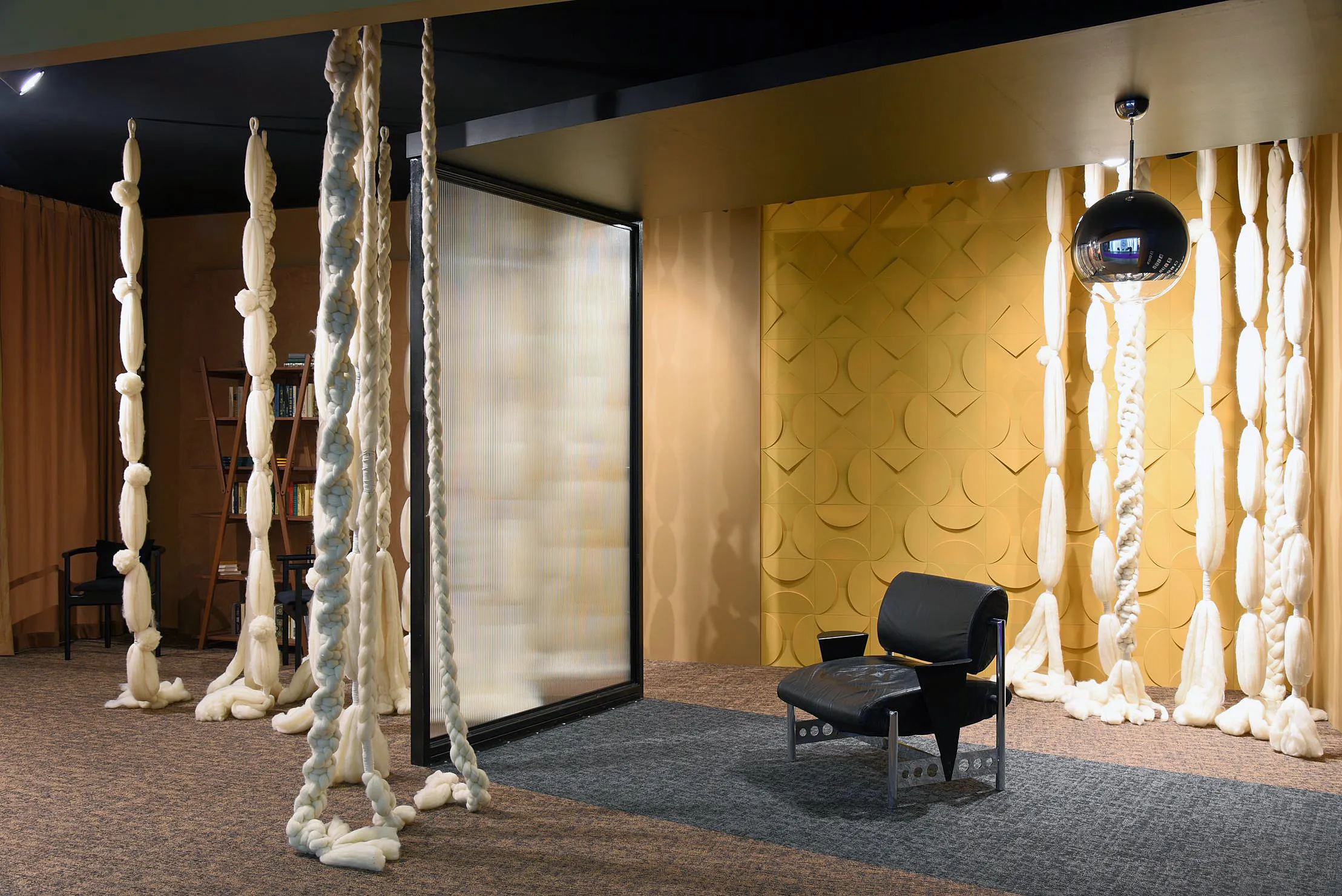
The concept is based on the idea of a cocoon, a protective and inward-oriented environment that filters the outside world without creating complete isolation. Instead of relying on decoration, the installation is shaped through structure, rhythm, transparency, and material contrast.
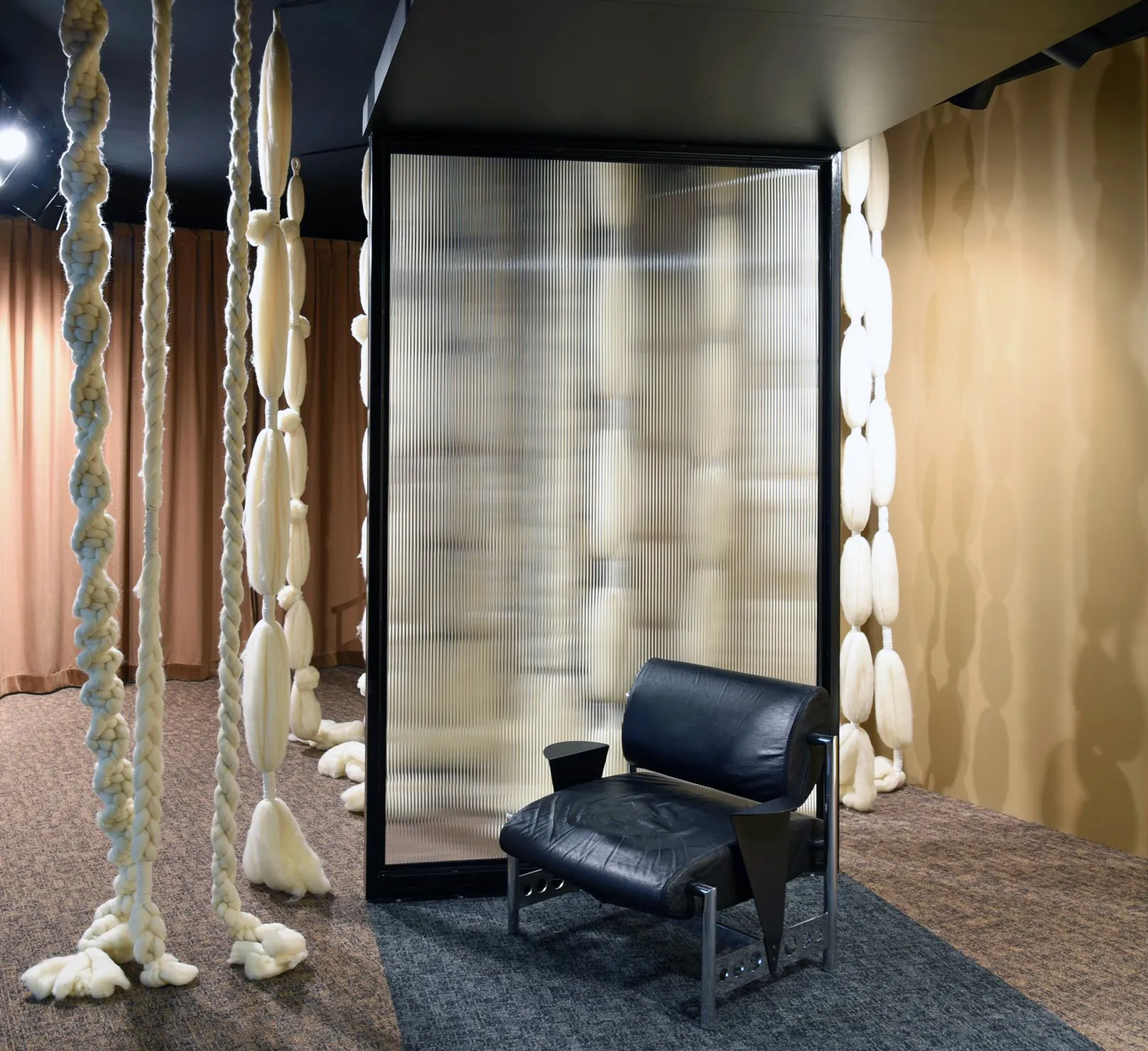
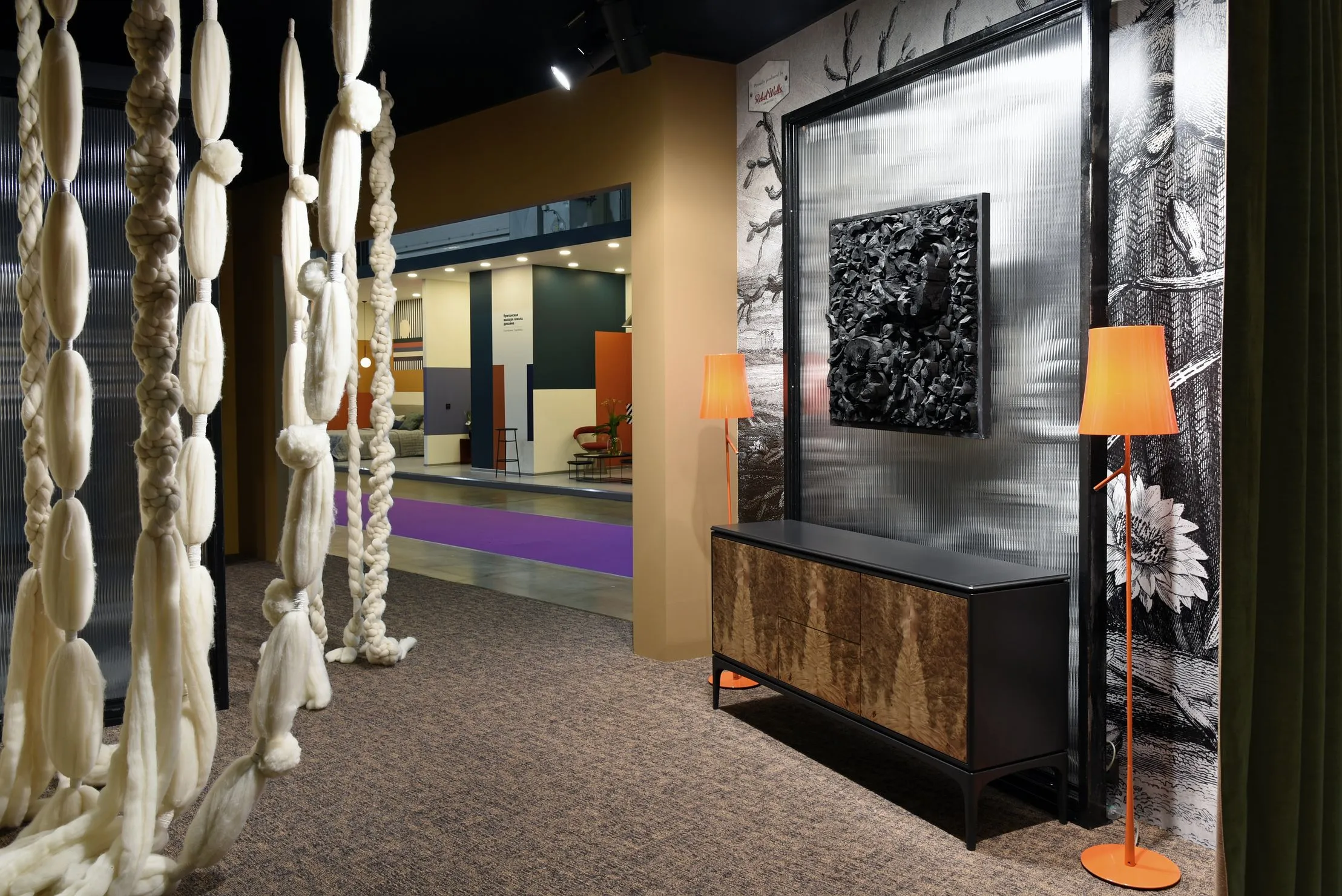
Vertical textile elements create soft, tactile boundaries, while ribbed glass partitions introduce depth and controlled transparency. Together, these elements partially conceal, reveal, and direct movement through the room. They allow visual connections to remain while giving each area a distinct sense of privacy.
The interior unfolds gradually rather than presenting a single focal point. Dense and open areas alternate as visitors move through the installation. Light is diffused and redirected, while the perception of materials changes at close range and from a distance. This creates a measured tension between mass and air, allowing the space to feel both grounded and fluid.
Material selection plays a central role in the experience. Wool surfaces absorb sound and soften the atmosphere. Ribbed glass reflects and distorts surrounding forms, adding visual depth without complete openness. Metal elements provide structure and precision, balancing the softer qualities of the textiles.
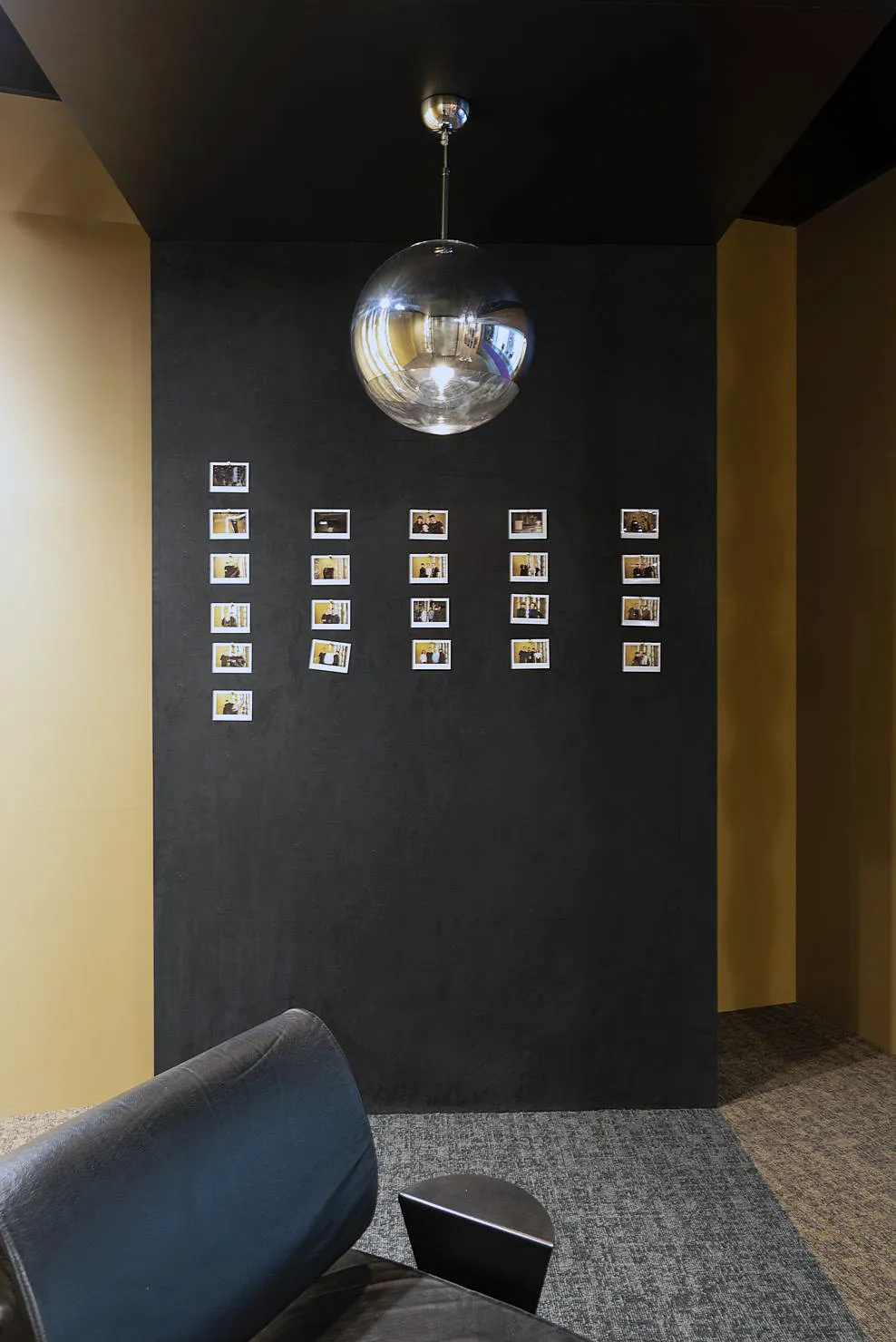
Lighting is treated as an architectural tool rather than an accessory. It highlights surfaces, changes the apparent depth of the room, and reinforces the layered composition. Areas of shadow and illumination help define movement and create moments of pause.
Furniture and objects act as sculptural anchors within the installation. Each element is positioned deliberately and contributes to the equilibrium of the room without competing for attention. The composition remains restrained, allowing proportion, texture, and filtered light to shape the experience.
At its core, Introvert’s Room considers how an interior can support introspection and personal boundaries. The project offers separation without isolation and demonstrates how spatial layering, tactile materials, controlled transparency, and precise lighting can create an environment that feels calm, private, and psychologically contained.
Although created as an exhibition installation, the principles explored in the project apply directly to residential interiors. Filtered openness, acoustic softness, layered boundaries, and carefully controlled light can help create homes that balance social connection with privacy and retreat.